Custom Table Themes and Prolonged Engagement in Virtual Card Rooms
Petra Schulz · Nov 4, 2026
Custom Table Themes and Prolonged Engagement in Virtual Card Rooms
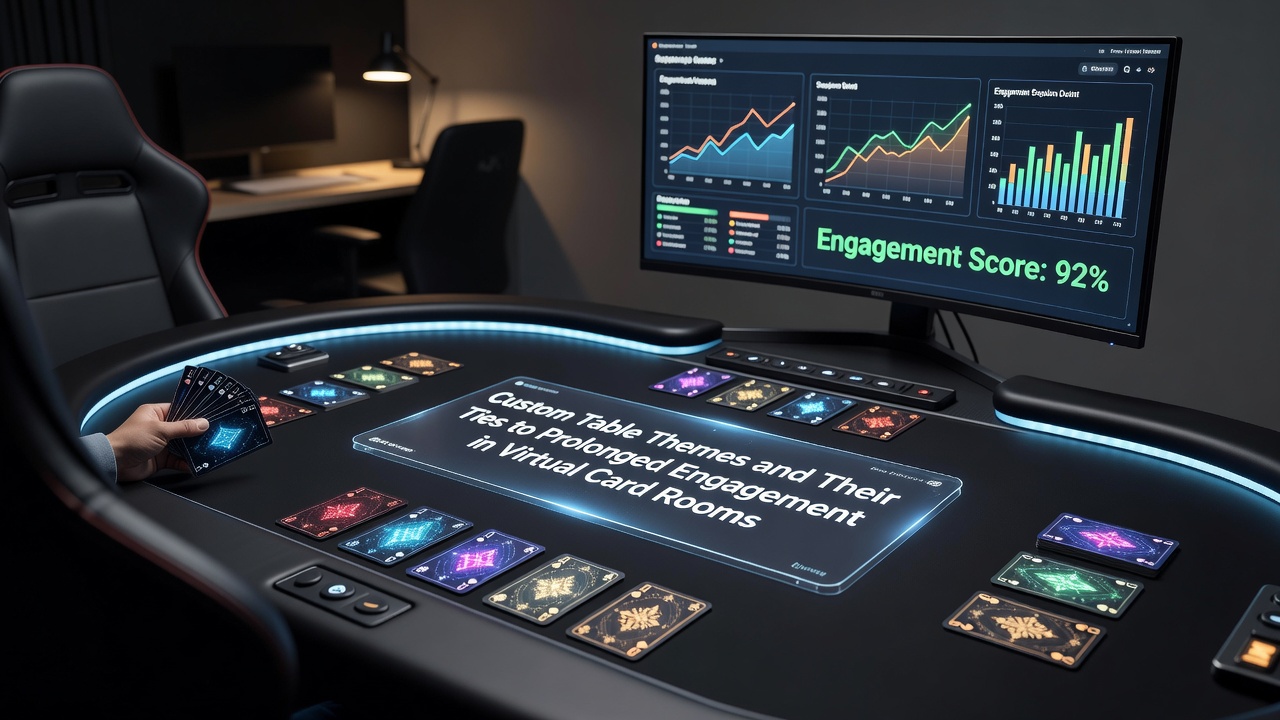
Virtual card rooms have expanded their offerings in recent years, and custom table themes now form a standard feature across many platforms where players adjust visual elements such as felt colors, border styles, and lighting effects during sessions. These options allow users to modify the on-screen environment to match personal preferences, and operators report that such tools integrate directly into account settings without requiring additional downloads. Data collected from major networks shows that players who activate custom themes maintain active sessions for extended periods compared with those who retain default layouts.
Mechanics of Theme Implementation
Platforms deliver theme selection through menu interfaces that update in real time, so changes apply immediately to the active table view. Software developers code these features to sync across devices, which means a player who selects a dark wood border on a desktop client sees the same setting appear on a connected mobile app. In November 2026 several networks rolled out expanded libraries that include seasonal variations and community-shared designs, and usage logs indicate steady adoption rates during that rollout period. Researchers at institutions tracking digital gaming patterns note that these updates reduce visual fatigue during multi-hour sessions by allowing periodic adjustments without leaving the table.
Session Duration Patterns
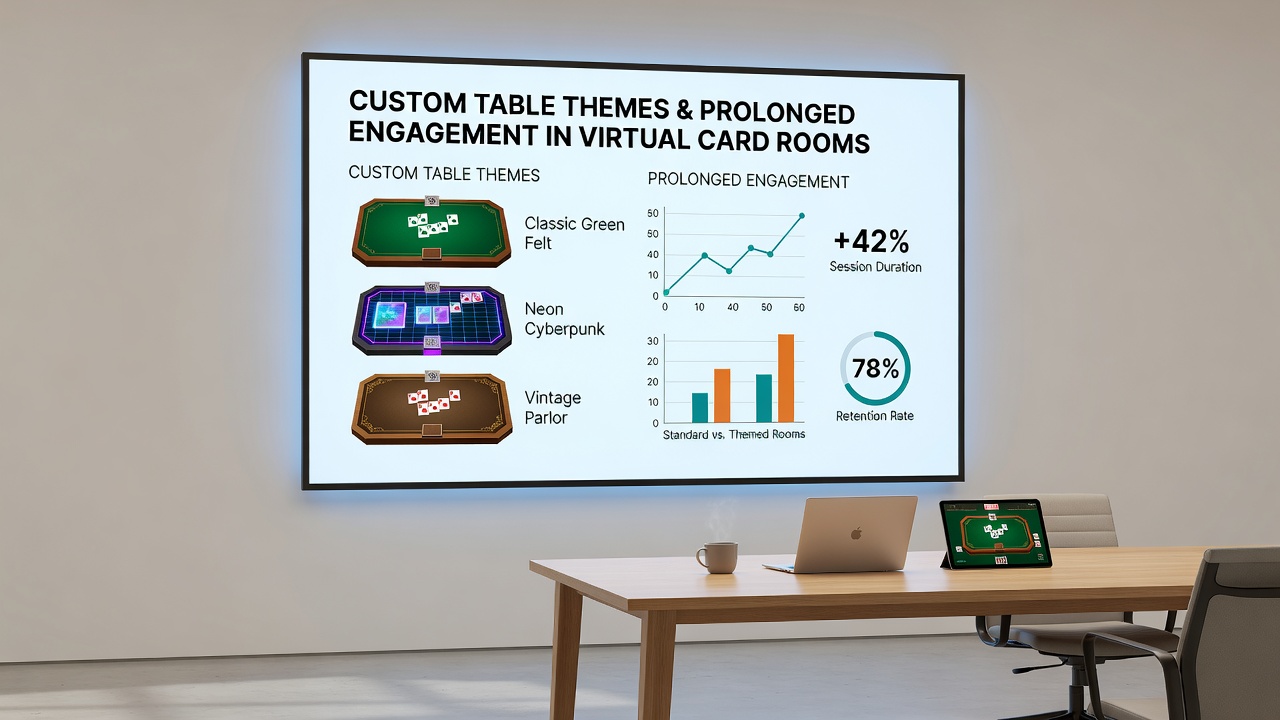
Analytics firms that monitor aggregated player data across networked card rooms have documented correlations between theme customization and time spent at tables. One dataset covering North American platforms revealed that accounts using at least one custom element averaged 18 percent longer continuous play windows than accounts that stayed with standard visuals. Similar figures emerged from reports compiled by the Canadian Gaming Association, which examined traffic patterns over twelve months and found that theme adjustments coincided with fewer early exits from cash games and tournaments alike. Those who study retention metrics point out that the effect appears consistent across stake levels and game variants, although the strength of teh link varies by region and device type.
Cross-Platform Continuity Factors
Players often move between desktop and mobile environments during a single day, and custom themes help preserve session continuity when the visual layout remains familiar. Synchronization protocols store theme preferences in cloud profiles, so returning users encounter their chosen settings without manual re-entry. Industry reports from the Australian Interactive Gambling Council highlight that platforms offering seamless theme transfer across devices record higher repeat login rates, particularly during peak evening hours when traffic spikes occur. Observers tracking these trends note that the feature reduces friction points that might otherwise prompt users to close the application after switching hardware.
Examples from Networked Environments
Take one operator that introduced limited-edition themes tied to major tournament series in late 2026; participation logs showed elevated table occupancy on themed tables during the first two weeks after launch. Another case involved a European network that allowed players to upload personal color palettes, and subsequent internal reviews found that users who created custom entries extended average session length by measurable margins. These instances illustrate how visual personalization tools integrate with broader engagement systems without altering core gameplay mechanics or payout structures.
Measurement Approaches and Data Sources
Operators rely on heat-map style analytics and click-stream records to quantify theme usage against session metrics. University-led studies from institutions in the United States have examined similar interfaces in other digital entertainment sectors and applied comparable methodologies to card room environments, confirming that repeated visual adjustments correlate with sustained attention spans. Figures released by the Nevada Gaming Control Board through public summaries indicate steady growth in customization feature activations over successive quarters, although exact causation remains subject to ongoing analysis by independent research groups. Those examining the data emphasize that external variables such as bonus structures and traffic volume also influence play duration, which places theme effects within a wider set of contributing factors.
Conclusion
Custom table themes represent one element within the larger ecosystem of virtual card room design choices that operators deploy to support player retention. Available evidence from multiple regulatory and academic sources shows measurable associations between theme activation and extended session times, yet these patterns sit alongside numerous other variables that shape user behavior. Continued monitoring by industry groups and research bodies will clarify how these visual tools evolve alongside platform updates scheduled for coming periods.