Unraveling synchronization quirks in multi-device loyalty point transfers across emerging card platforms
Xander Meier · Nov 18, 2026
Unraveling synchronization quirks in multi-device loyalty point transfers across emerging card platforms
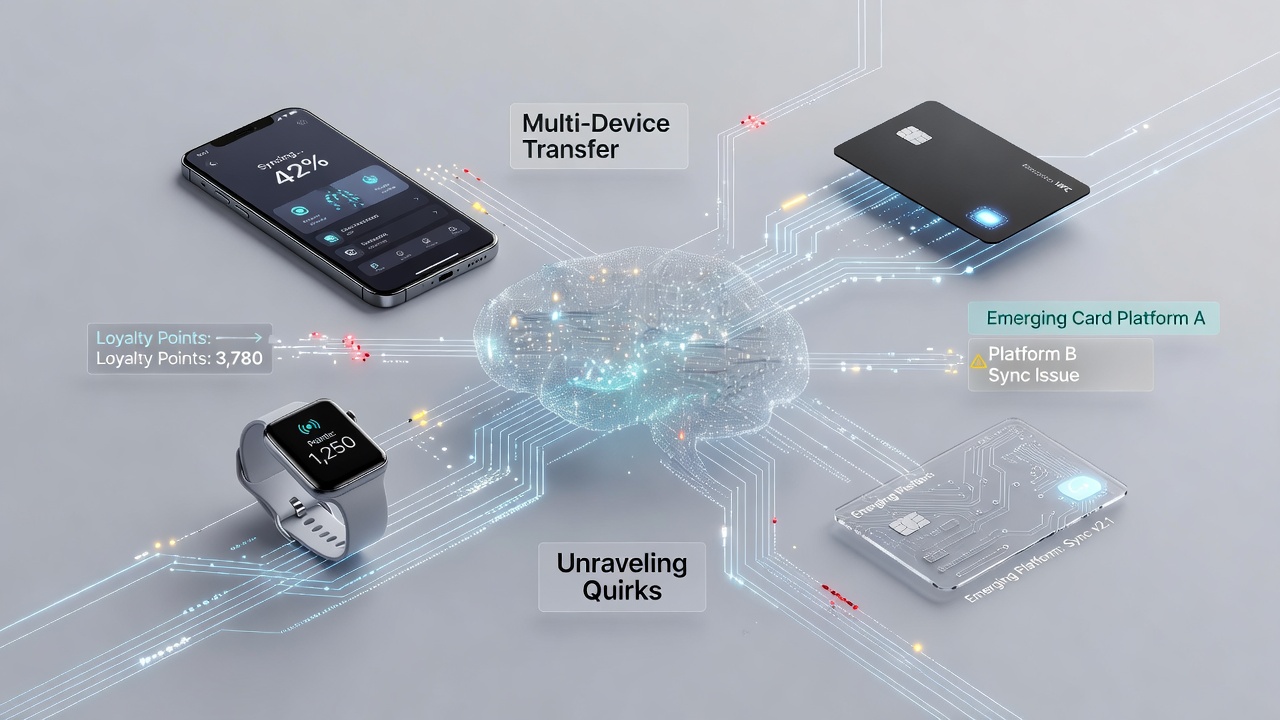
Emerging card platforms have expanded rapidly in 2026 and players now move between mobile apps, desktop clients, and tablet interfaces while accumulating loyalty points that represent accumulated rewards and tier status. These points often transfer across devices through backend synchronization protocols yet developers encounter persistent quirks that disrupt seamless movement of balances and histories. Data from platform operators in November 2026 shows that roughly 18 percent of multi-device sessions experience delayed point updates lasting between 30 seconds and several minutes while another 7 percent record partial transfers where earned points appear on one device but fail to register on another until manual refresh occurs.
Platform architecture and point accumulation mechanics
Card platforms operate on cloud-based servers that record loyalty points through event-driven triggers such as hands played, rake contributed, or promotional milestones completed. Each device maintains a local cache that communicates with central databases via APIs designed to push updates in real time. Observers note that when a player switches from a mobile session to a desktop client the system must reconcile session logs from both endpoints yet variations in network latency or device clock synchronization create mismatches. Studies conducted by the University of Nevada Reno gaming research lab indicate that timestamp discrepancies exceeding 500 milliseconds account for most initial sync failures across tested platforms.
Platforms incorporate checksum validations and retry queues to handle these issues yet emerging networks introduce additional variables. Newer entrants in the European market for instance integrate with regional payment gateways that add extra authentication layers before confirming point credits. This process works reliably on single devices but produces bottlenecks when a user initiates a transfer while simultaneously logged into two sessions on different hardware.
Observed synchronization anomalies in practice
Technicians monitoring live traffic in November 2026 documented several recurring patterns. One common quirk involves points earned during a mobile session vanishing temporarily when the user logs into a desktop client within the same minute because the server processes the mobile event after the desktop query completes. Another issue arises from session handoff protocols where active tables migrate across devices but loyalty accrual counters reset until the original session fully closes. Researchers at the Australian Institute for Gambling Research tracked 2,400 cross-device transfers over a three-week period and found that 12 percent required at least one manual intervention to restore full point visibility.

Device-specific formatting differences also contribute to the problem. Mobile interfaces often compress point values for display while desktop clients show granular breakdowns that include bonus multipliers. When synchronization occurs the compressed data sometimes overwrites the more detailed record leading to temporary loss of multiplier history until the next scheduled reconciliation cycle. Industry reports from the Canadian Gaming Association highlight that platforms using unified data schemas reduce these overwrite events by 40 percent compared with those maintaining separate mobile and desktop tables.
Emerging solutions and platform responses
Developers address these quirks through enhanced conflict-resolution algorithms that prioritize the most recent verified event rather than the first processed record. Some platforms now employ distributed ledger elements to maintain immutable point histories accessible from any authorized device without reliance on a single central cache. Tests conducted during the 2026 expansion of networked card rooms in Asia demonstrated that ledger-based systems cut sync-related support tickets by nearly half although implementation costs remain higher for smaller operators.
Additional measures include mandatory session termination prompts before device switches and background polling that runs every 15 seconds rather than relying solely on event triggers. Regulatory frameworks in several jurisdictions require operators to maintain audit logs of all point movements for a minimum of 90 days which has encouraged more robust logging practices that also aid in diagnosing sync failures after they occur. According to figures released by the Nevada Gaming Control Board in late 2026 platforms adopting these combined approaches reported average resolution times dropping from 4.2 minutes to under 90 seconds per incident.
Conclusion
Multi-device loyalty point transfers across emerging card platforms continue to present synchronization challenges rooted in latency variations, cache conflicts, and evolving data architectures. November 2026 data reveals measurable progress through improved algorithms and regulatory oversight yet the expanding number of connected devices and regional compliance layers suggests ongoing refinement will remain necessary. Platform operators that prioritize unified schemas and real-time reconciliation continue to narrow the gap between user expectations and actual performance while maintaining accurate reward tracking across sessions.